Whether you're replacing part of your RV electrical system, hooking up at the campground, improving battery charging, or adding power for camping without hookups, we'll help you find the parts that work together for your setup.
What Are You Working On?
HOOK UP AT THE CAMPGROUND
Connect and protect your RV at the campground
KEEP MY BATTERIES CHARGED
Charge at the campground, at home, or while driving
ADD OR EXPAND SOLAR
Build a new solar setup or add to what you have
CAMP WITHOUT HOOKUPS
Keep your RV powered away from campground power
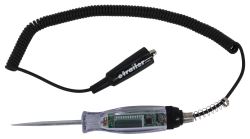
WORK ON MY RV'S WIRING
Replace wiring, connections, outlets, or electrical parts
HOOK UP AT THE CAMPGROUND
Connect and protect your RV at the campground
KEEP MY BATTERIES CHARGED
Charge at the campground, at home, or while driving
ADD OR EXPAND SOLAR
Build a new solar setup or add to what you have
CAMP WITHOUT HOOKUPS
Keep your RV powered away from campground power
WORK ON MY RV'S WIRING
Repair wiring, connections, outlets, or electrical parts
Shore Power
Your shore power setup starts at the campground pedestal and brings AC power into your RV. You'll need the right connection for your RV's amperage, plus protection from unsafe campground power.
Your RV batteries can charge from shore power, solar, or another charging source depending on your setup. Start with how you want to charge, then make sure your charging equipment works with your battery type.
Solar panels recharge your RV batteries when sunlight is available, while a charge controller manages the power going into your battery bank. Start with a complete solar setup or find the parts you need to expand what you already have.
When hookups aren't available, batteries, inverters, generators, and portable power can keep your RV equipment running. What makes sense depends on what you want to run, how much power it uses, and how long you'll be away from hookups.
An RV power system is more than one part. Shore power brings electricity into your RV, converters and chargers keep your batteries charged, batteries store power, and solar, inverters, and generators give you more ways to stay powered when hookups aren't available.We've installed, tested, and worked with RV electrical equipment ourselves, so we can show you how these pieces connect, what they power, and what to check before you buy. With more than 75 years of helping neighbors, 35,000+ installations, and over 1 million photos and videos, we can help you put together a setup that works as a system, not just a collection of parts.
What's the difference between a 30-amp and 50-amp RV power system?
A 30-amp RV connection supplies up to 3,600 watts. A 50-amp RV connection has two 120V legs and can supply up to 12,000 watts total. Your RV determines which service you need, but adapters can let you connect to some different campground outlets when necessary.How do I protect my RV from bad campground power?A surge protector or electrical management system can help protect your RV from electrical problems at the pedestal. Depending on the product, that can include surges, high or low voltage, open ground, reverse polarity, and other wiring problems.
What does an RV power converter do?
A converter changes 120V AC power into 12V DC power for your RV and typically charges your battery bank while you're connected to shore power or a generator. When replacing one, check the converter's amperage, battery compatibility, and whether you need the converter itself or a complete power center.
What's the difference between an inverter and a converter?
A converter changes AC power into DC power and helps charge your RV batteries. An inverter works in the other direction, changing battery power into 120V AC power so you can run compatible household-style equipment when shore power isn't available.
How can I power my RV when camping without hookups?
Your setup may use batteries, an inverter, a generator, a portable power station, solar, or a combination of them. Batteries store power, an inverter lets that stored power run compatible AC equipment, and a generator provides another source of AC power. Solar can recharge your batteries while you're away from hookups.
Can I upgrade my RV power system for lithium batteries?
Often, but make sure your converter, battery charger, solar charge controller, and other charging equipment support lithium batteries. Some equipment has selectable charging profiles, while older components may need to be replaced.
How do I know new RV power equipment will work with my existing setup?
Start with your RV's electrical service, battery type, voltage, and the equipment already handling charging or power conversion. When you're adding or replacing a component, check that it works with the rest of your system, not just your RV by itself. If you're unsure, send us your model numbers or a photo of your setup and we can help you sort it out.
Not Sure What Your RV Power Setup Needs?
Tell us what you're trying to power, how you camp, and what equipment you already have. A model number, battery type, photo, or information about your 30-amp or 50-amp setup can help. Call, chat, or send us a message, and we'll help you figure out what works with your setup.